.png)
Effective Tax Planning Strategies for Maximum Savings

Updated: Feb 3
When it comes to managing wealth, especially for those stepping into the world of inheritance or rising financial success, tax planning can feel like navigating a maze. But it doesn’t have to be complicated or overwhelming. I’m here to walk you through some straightforward, practical ways to keep more of what you earn and build a solid foundation for your financial future. Let’s dive into how you can use effective tax planning strategies to maximize your savings and secure your legacy.
Understanding the Basics of Tax Planning
Before we get into the nitty-gritty, let’s clarify what tax planning really means. It’s not about avoiding taxes or finding loopholes. It’s about being smart with your money and making decisions that reduce your tax burden legally and ethically.
Think of tax planning as a roadmap. It helps you anticipate tax obligations and take advantage of deductions, credits, and exemptions. This way, you keep more of your hard-earned money working for you.
For example, contributing to retirement accounts like a 401(k) or IRA can lower your taxable income today while building your nest egg for tomorrow. Or, if you own a business, structuring it properly can save you thousands in taxes each year.
The key is to start early and stay consistent. Waiting until tax season to think about taxes is like waiting until your car breaks down to get an oil change.

How to Align Your Investments with Tax Efficiency
Investments are a powerful way to grow wealth, but they can also trigger tax events that eat into your returns. The good news? You can manage your portfolio with tax efficiency in mind.
One effective approach is to use tax-advantaged accounts. These include Roth IRAs, traditional IRAs, and Health Savings Accounts (HSAs). Each has unique tax benefits that can help you save now or later.
Another strategy is tax-loss harvesting. This means selling investments that have lost value to offset gains from other investments. It’s a smart way to reduce your taxable income without changing your overall investment strategy.
Also, consider the timing of your investment sales. Holding onto assets for more than a year qualifies you for lower long-term capital gains tax rates, which can be significantly less than short-term rates.
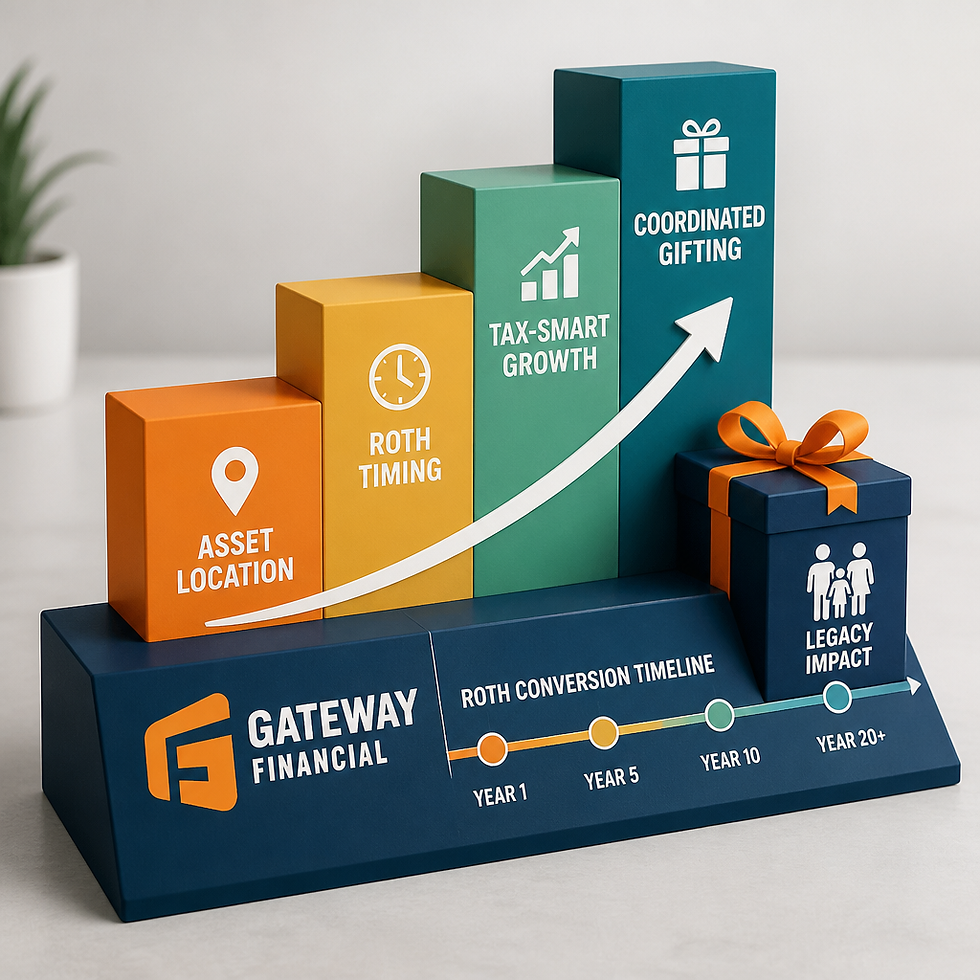
Remember, the goal is to integrate your investment decisions with your overall tax plan. This coordination can make a big difference in your net returns over time.

The Power of Gifting and Estate Planning
If you’re thinking about passing wealth to the next generation, gifting and estate planning are crucial tools. They help you transfer assets while minimizing tax consequences for both you and your heirs.
The IRS allows you to gift a certain amount each year without triggering gift taxes. For 2026, that amount is $19,000 per recipient. By gifting strategically over time, you can reduce the size of your taxable estate and potentially avoid estate taxes later.
Setting up trusts is another powerful way to protect assets and control how they’re distributed. Trusts can also provide tax advantages depending on their structure.
Estate planning isn’t just about taxes; it’s about ensuring your wishes are honored and your family is cared for. Working with professionals who understand the intersection of tax, investment, and estate planning can make this process smoother and more effective.
Tax Deductions and Credits You Shouldn’t Miss
Many people overlook valuable tax deductions and credits simply because they don’t know about them or think they don’t qualify. Let’s clear that up.
Deductions reduce your taxable income, while credits reduce your tax bill directly. Both can lead to significant savings.
Common deductions include mortgage interest, charitable donations, and medical expenses above a certain threshold. If you own a business or are self-employed, you can deduct expenses like home office costs, travel, and equipment.
Tax credits might include education credits, energy-efficient home improvements, or child and dependent care credits.
Keep good records throughout the year to make claiming these easier. And don’t hesitate to ask a tax professional if you’re unsure what applies to you.
Why Working with a Fiduciary Financial Planner Makes a Difference
Navigating taxes, investments, and estate planning can be complex. That’s why having a trusted advisor who acts as a fiduciary - meaning they are legally obligated to put your interests first - is invaluable.
A fiduciary financial planner with expertise in tax and estate law can help you create a coordinated plan that aligns your investments, tax strategies, and estate goals. This holistic approach ensures nothing falls through the cracks and your plan adapts as your life changes.
Plus, working with a fee-only planner means you get unbiased advice without hidden commissions or conflicts of interest.
If you want to explore effective tax planning strategies tailored to your unique situation, partnering with a fiduciary planner is a smart step.
Taking Control of Your Financial Future
Tax planning isn’t a one-time event. It’s an ongoing process that evolves with your financial life. By understanding the basics, aligning your investments, leveraging gifting and estate tools, and maximizing deductions and credits, you’re setting yourself up for long-term success.
The Importance of Regular Reviews
One key aspect of effective tax planning is regular reviews of your financial situation. As your life changes, so do your financial needs and goals. Regular check-ins allow you to adjust your strategies accordingly.
Consider setting aside time each year to review your tax situation. Look for changes in income, investments, and expenses. This proactive approach can help you stay ahead of potential tax liabilities.
Building a Legacy
As you think about your financial future, consider how you want to be remembered. Building a legacy involves more than just accumulating wealth. It’s about creating a lasting impact on your family and community.
Incorporate charitable giving into your tax planning. Not only can it provide tax benefits, but it also allows you to support causes you care about. This can be a fulfilling way to leave a mark on the world.
Embracing Financial Education
Knowledge is power. The more you understand about tax planning and financial management, the better equipped you’ll be to make informed decisions.
Consider investing in your financial education. Attend workshops, read books, or consult with professionals. The time you spend learning now can pay off significantly in the long run.
Remember, the goal is to keep more of your money working for you and your family. With the right strategies and support, you can build a legacy that lasts.
Start today by reviewing your current financial situation and identifying areas where you can improve your tax efficiency. Small changes now can lead to big savings down the road.
Your financial future is in your hands - make it a priority.
If you want to learn more about how to integrate your investments, taxes, and estate planning into one seamless strategy, consider reaching out to a fiduciary financial planner who can guide you every step of the way.


Comments